
Wired or Wireless Headphones: What You Actually Give Up
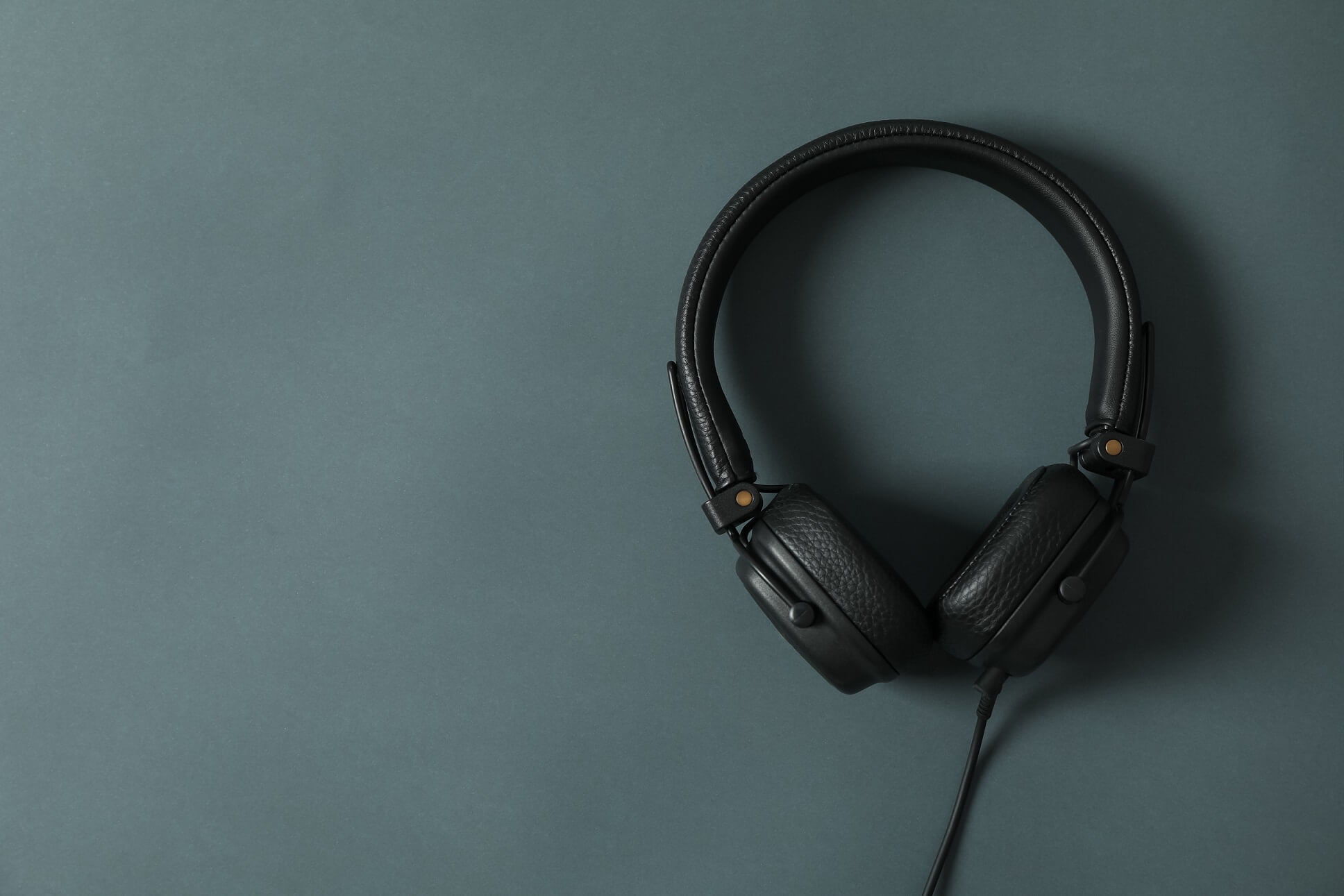
Most headphones sold today are wireless, and for good reason: no cable to snag, no headphone jack needed, and noise cancelling that makes a flight bearable. But going wireless still trades something away. Whether that trade matters depends entirely on what you do with them.
Sound quality: a smaller gap than it used to be
Bluetooth can’t send a full-quality music file as-is. It squeezes the audio with a codec on your phone and unpacks it in the headphones. Which codec you get depends on what both ends support:
- SBC works with everything and is the fallback when nothing better matches.
- AAC is what Apple devices use, and on an iPhone it sounds very good.
- aptX and its variants come from Qualcomm and appear on many Android phones and headphones.
- LDAC, from Sony, can carry the most data of the common codecs. Many Android phones support it.
- LC3 is the newer codec that comes with Bluetooth LE Audio, built for efficiency.
Nearly all Bluetooth listening is lossy, meaning some detail is discarded. A few recent phone-and-headphone pairings support lossless audio over Bluetooth, but only in good conditions.
Now the honest part. With a good codec and streaming music, most people can’t reliably tell Bluetooth from wired in a blind test. How well the headphones fit and seal, and how they’re tuned, changes the sound far more than the cable. Wired matters for sound mainly if you listen to lossless or high-resolution files, at home, on headphones good enough to reveal the difference.
Delay
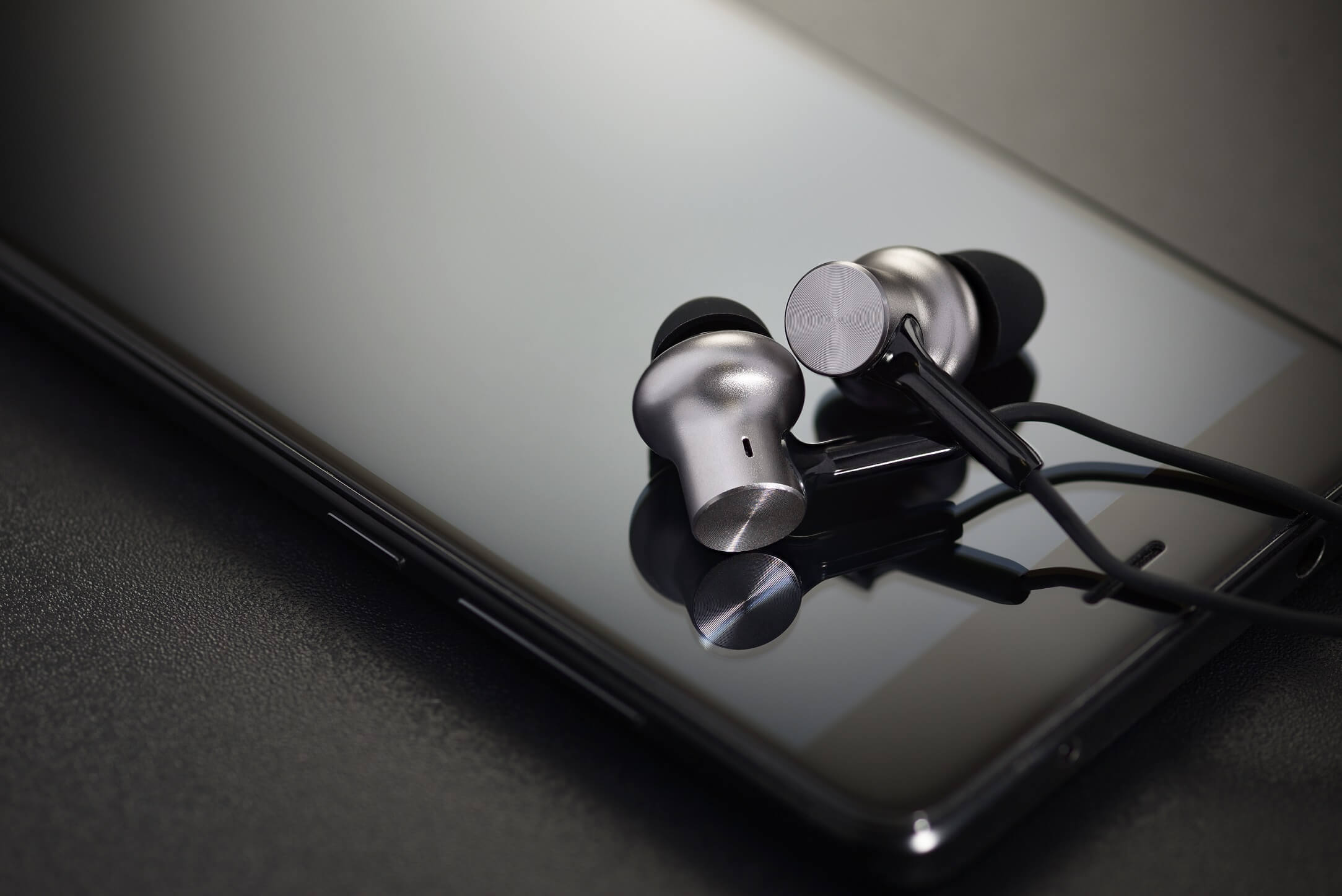
Bluetooth adds delay between your device playing a sound and you hearing it, often somewhere between a tenth and a quarter of a second. Low-latency modes cut that down, but rarely to zero.
- Watching video is fine. Streaming apps and operating systems hold the picture back to match the sound.
- Gaming is where you feel it: footsteps and gunfire arrive late. Gaming headsets get around this with their own 2.4 GHz wireless dongle instead of Bluetooth.
- Playing an instrument or recording over Bluetooth is impractical. Use a cable.
Battery and lifespan
Wireless headphones need charging, and their batteries wear out. After two or three years of daily use, most earbuds hold noticeably less charge, and because earbud batteries are almost never replaceable, the whole pair is then on its way out.
Over-ear wireless models last longer and often have replaceable ear pads, and some manufacturers will replace the battery for a fee. Wired headphones, by contrast, routinely last a decade or more, and many have a detachable cable you can replace for a few dollars.
What you only get with wireless
- Active noise cancelling, which is the single best reason to buy wireless for travel and commuting.
- Transparency mode, which pipes in outside sound so you can hear announcements.
- Multipoint, staying connected to your laptop and phone at once.
- Head-tracked spatial audio, auto-pause and find-my features, depending on the brand.
The headphone-jack problem
Most phones no longer have a 3.5 mm headphone jack. A small USB-C adapter with a built-in converter (a DAC) fixes that; the inexpensive ones from Apple and Google are perfectly good. Laptops mostly kept the jack.
One catch: some studio and audiophile headphones need more power than a phone or dongle provides. If a pair is rated at 250 ohms or more, plan on a separate headphone amplifier.
Which to choose
| If you care most about | Choose | Why |
|---|---|---|
| Commuting, travel, the gym | Wireless with noise cancelling | No cable, and quiet on demand |
| Gaming | Wired, or a headset with a 2.4 GHz dongle | No Bluetooth delay |
| Making music | Wired | Delay makes playing along impossible |
| Best sound per dollar at home | Wired | The money goes into the sound, not batteries and radios |
| Calls at a desk | A wired USB headset or a wireless one with a boom mic | Earbud microphones struggle in noisy rooms |
| Keeping them for years | Wired | Nothing to wear out but a replaceable cable |
The best of both
Many wireless over-ear headphones also accept a cable. Before you buy, check whether they still play through the cable when the battery is flat. Some work passively; others go silent until you charge them. If they do work passively, you get noise cancelling on the plane and a lossless wired connection at your desk from one pair.